
You do not need months to create your first digital product. You do not need fancy software either. Here are five simple product ideas you can actually finish in a weekend, using free tools and what you already know.
1. A Simple Checklist PDF
Think of something you know how to do step by step. Packing for a trip. Cleaning an apartment before moving out. Starting a small garden. Getting ready for a job interview. Turn those steps into a one or two page checklist.
You can make it in Google Docs and save it as a PDF. That is a real product. People pay for clarity. A good checklist saves them time and thinking, and that has value.
To start, open a blank document and write every step in order, exactly as you would do it yourself. Then go back and make each step short and clear. Add a title at the top and your name at the bottom. Done. You just made a product.

2. A Short How-To Guide
Pick one small problem you have solved in your own life. Maybe you figured out how to save money on groceries, or how to keep a car clean with kids, or how to cook five cheap dinners. Write down exactly what you did, in simple steps.
Ten to fifteen pages is plenty. Write it like you are explaining it to a friend over chai. Simple words. Short steps. Real examples from your life. That honesty is what makes people trust you.
Start with an outline of five to seven main points. Then write a few paragraphs under each one. Add a short intro about why you wrote it and a closing note of encouragement. Save it as a PDF. You now have a guide with your name on it.
3. A Printable Planner Page
Planners do not have to be a whole book. One useful page counts. A weekly meal planner. A budget tracker. A cleaning schedule. A habit tracker. Design it in Canva using a free template, then export it as a PDF.
People print these and use them on their fridge or desk. If your page solves one small daily annoyance, it is worth paying for.
To make it, open Canva and search for planner templates. Pick one you like and change the words to fit your idea. Keep the design clean and simple. Test it by printing one copy for yourself. If you would use it, others will too.
4. A Template Pack
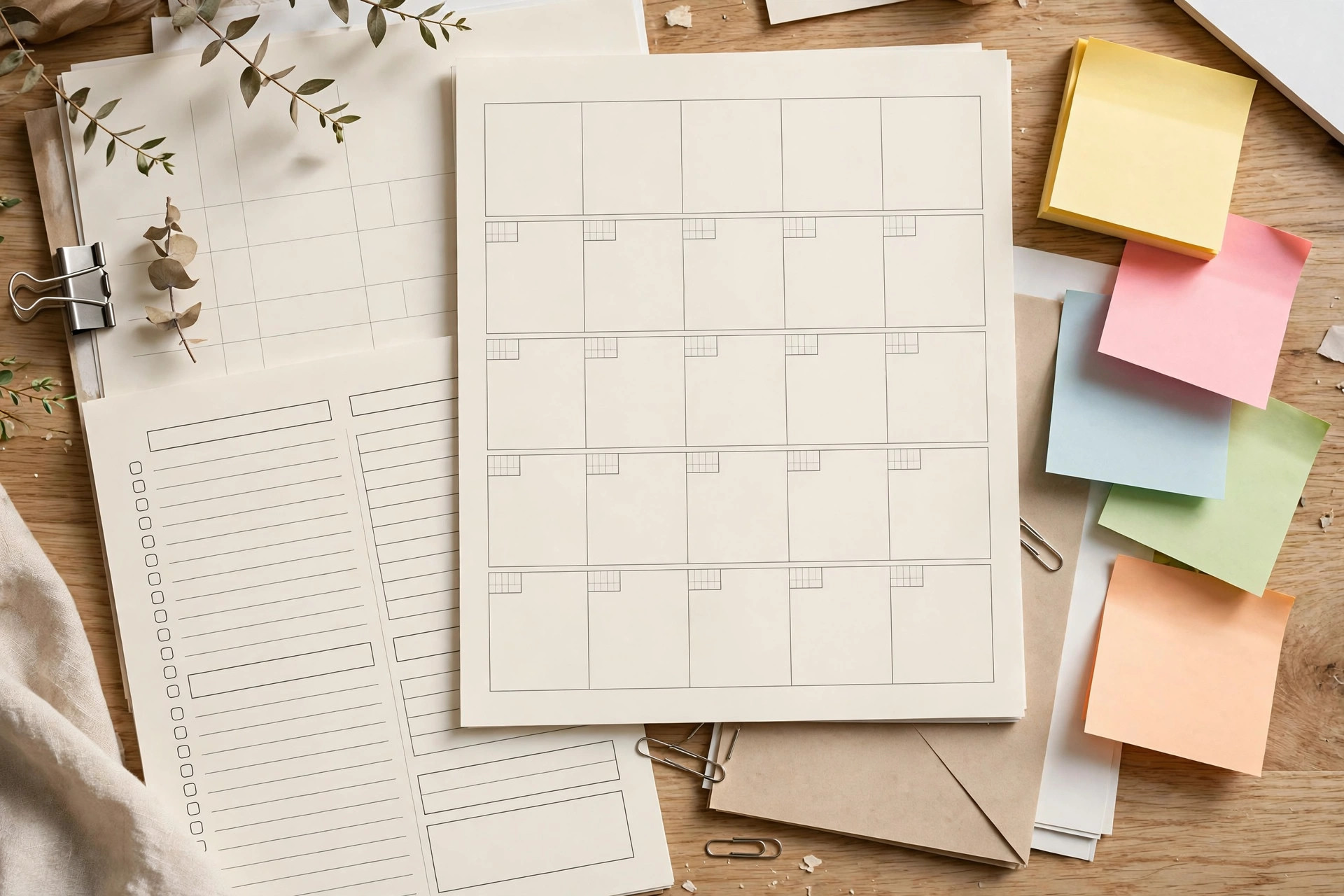
Templates save people from starting with a blank page. You can make resume templates, budget spreadsheet templates, social media caption templates, or email templates for common situations.
Make three to five templates around one theme. Put them in one folder or one PDF. The theme is what makes it a product instead of random files. “Five resume templates for beginners” is clear and easy to sell.
Start by making one template really well. Then copy the style for the rest so they feel like a set. Write a short intro page explaining who each template is for. Bundle them together, and you have a pack worth buying.
5. A Curated Resource List
You have spent hours finding good free resources online. Other people have not. Collect the best ones into one organized list with short notes on what each one is good for.
It could be free learning websites for beginners, budget cooking channels, or job search sites for immigrants. Your research becomes their shortcut. Add a short intro explaining who the list is for, and you have a product.
To build it, open a document and list ten to twenty resources you genuinely recommend. Write one or two honest sentences about each one. Group them by topic so the list is easy to scan. Your taste and your research are the value here.
Tips
Pick the idea that feels easiest, not the one that sounds most impressive. Your first product is for learning, so finishing matters more than perfecting. And price it low enough that buying feels easy, because your first goal is momentum, not riches.
Conclusion
Your first digital product does not need to be big. It needs to be done. Pick one idea from this list, block out your weekend, and make it. On Monday you will not just have an idea anymore. You will have a product with your name on it.